Choose exercises that support a real goal: play, walking, transfers, school, work, positioning, or comfort.
Physiotherapy Exercise Library
25 exercise options to discuss, adapt, and monitor.
This library turns the FKRP physiotherapy evidence into practical exercise options by age, function, and condition state. It is detailed enough for families to understand the idea and for professionals to adapt the dose, setup, and monitoring plan.
25 illustrated options Family steps Professional notes Safety stops
How to use this library
Pick by function first, then adjust by symptoms and recovery.
Keep effort submaximal. The person should recover the same day or by the next day without losing function.
Use low-impact activity, stretching, positioning, and task practice before high-load strengthening.
Stop and review the plan if pain, falls, breathlessness, chest symptoms, or prolonged fatigue appear.
Mobility and stretching
Mobility and stretching options
Mobility and stretching
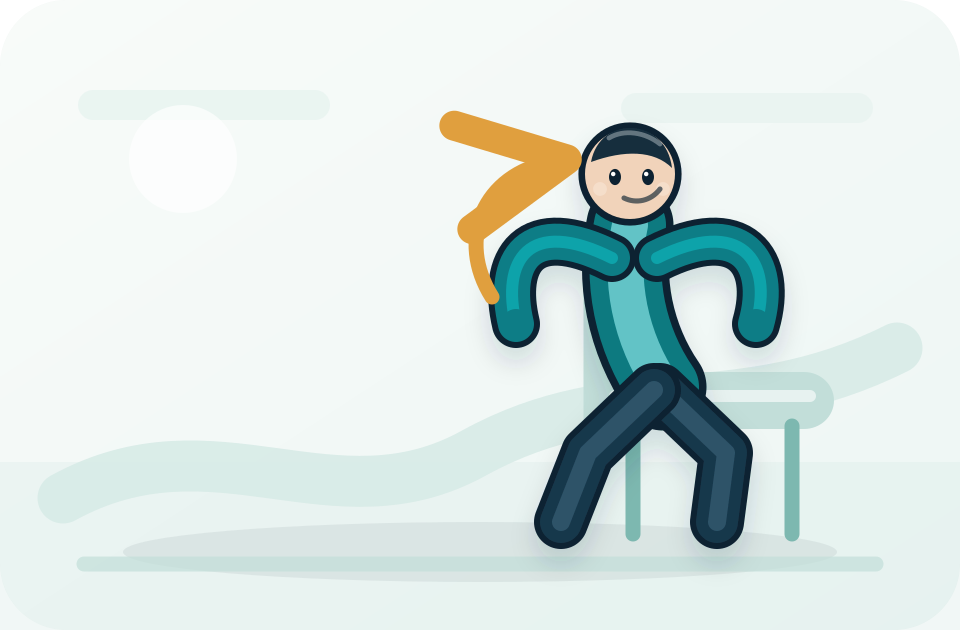
Scapular setting and shoulder rolls
teensadultsseated users
- Sit tall with back support if needed.
- Gently draw shoulder blades back and down, then release.
- Add slow shoulder rolls without forcing the neck or arching the back.
- Keep effort low and avoid resisted overhead work if scapular weakness is prominent.
- Pair with seating review if posture quickly collapses after the set.
- Neck pain
- shoulder pinching
- arm heaviness that persists after stopping
Positioning and supported movement are core rehabilitation strategies when weakness and fatigue affect posture.
Mobility and stretching
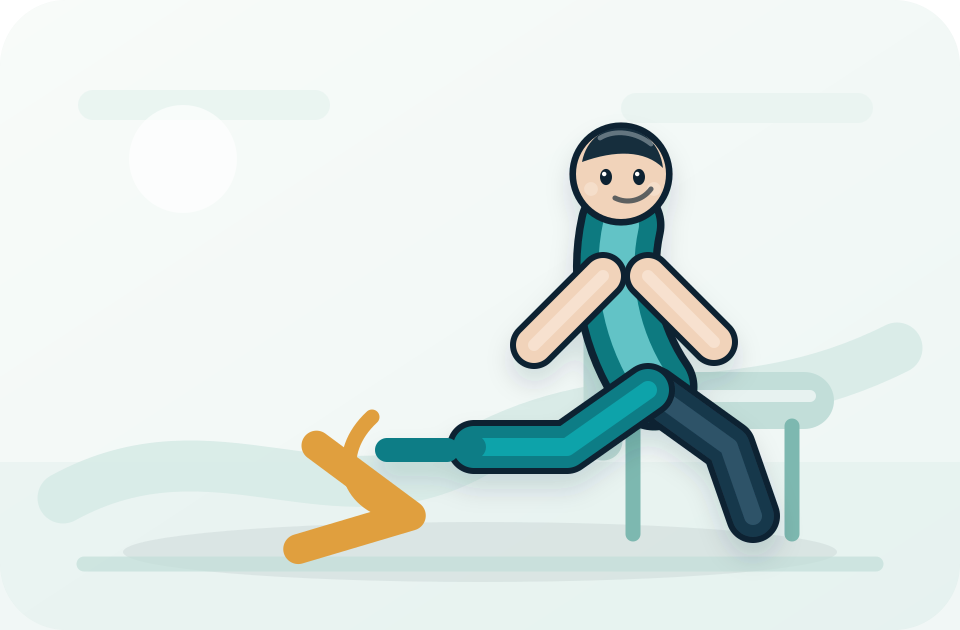
Ankle pumps and circles
childrenteensadultsseated users
- Move the foot up and down through a comfortable range.
- Make slow circles in both directions.
- Keep the movement pain-free and avoid bouncing into the end range.
- Use as a low-load mobility drill, not a substitute for contracture management.
- Assess calf length, foot posture, AFO fit, and standing tolerance if range is declining.
- Pain
- cramping
- new swelling
- skin irritation from bracing
Regular range-of-motion work is consistent with muscular dystrophy rehabilitation guidance for preventing contracture and maintaining positioning.
Mobility and stretching
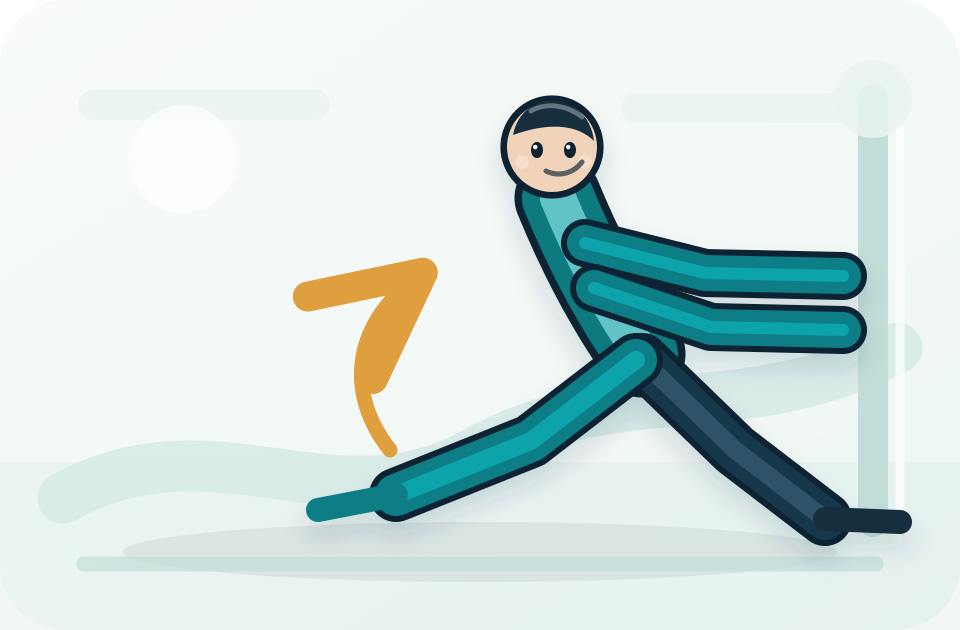
Supported calf stretch
childrenteensambulatory adults
- Use a wall or rail for balance.
- Place one foot behind with heel supported and knee comfortable.
- Hold a gentle stretch without bouncing or pain.
- Choose standing, seated towel, or supported positioning based on strength and falls risk.
- Avoid aggressive stretching if pain, spastic guarding, or unsafe balance appears.
- Pain
- heel lift that cannot be controlled
- loss of balance
- next-day soreness
Duchenne rehabilitation guidance recommends regular stretching of ankle, knee, and hip structures at risk of contracture; FKRP plans often borrow this cautious principle.
Mobility and stretching
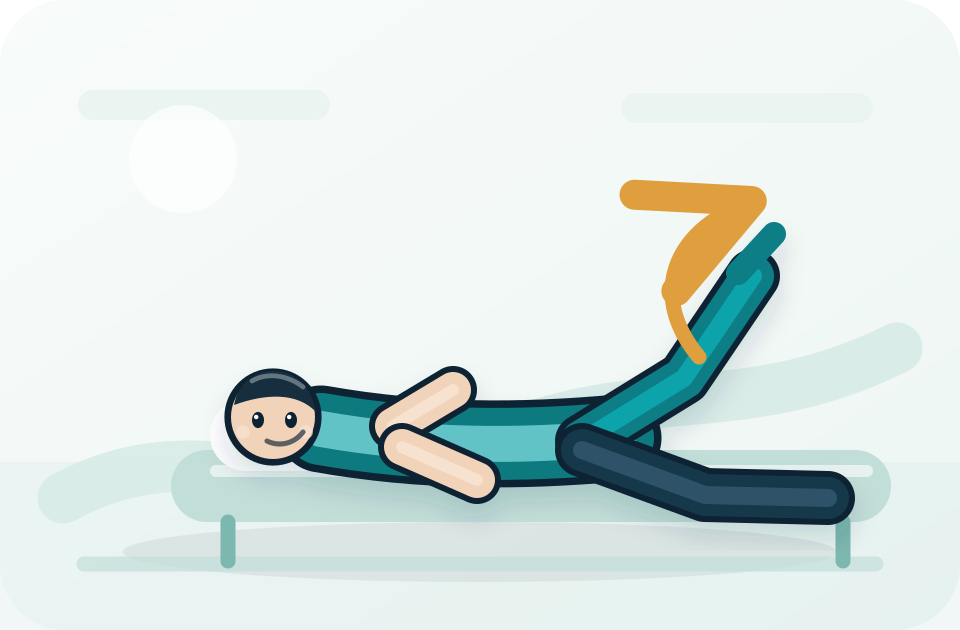
Supported hamstring stretch
teensadultsseated users
- Lie or sit with the leg supported.
- Straighten the knee only until a mild stretch is felt behind the thigh.
- Keep the back relaxed and avoid pulling hard on the leg.
- Differentiate hamstring tightness from neural tension, posterior knee pain, or hip position limits.
- Use caregiver training if the stretch is part of a home plan.
- Sharp pain
- tingling
- back pain
- guarding
Stretching is used to preserve joint mobility and positioning when progressive weakness increases contracture risk.
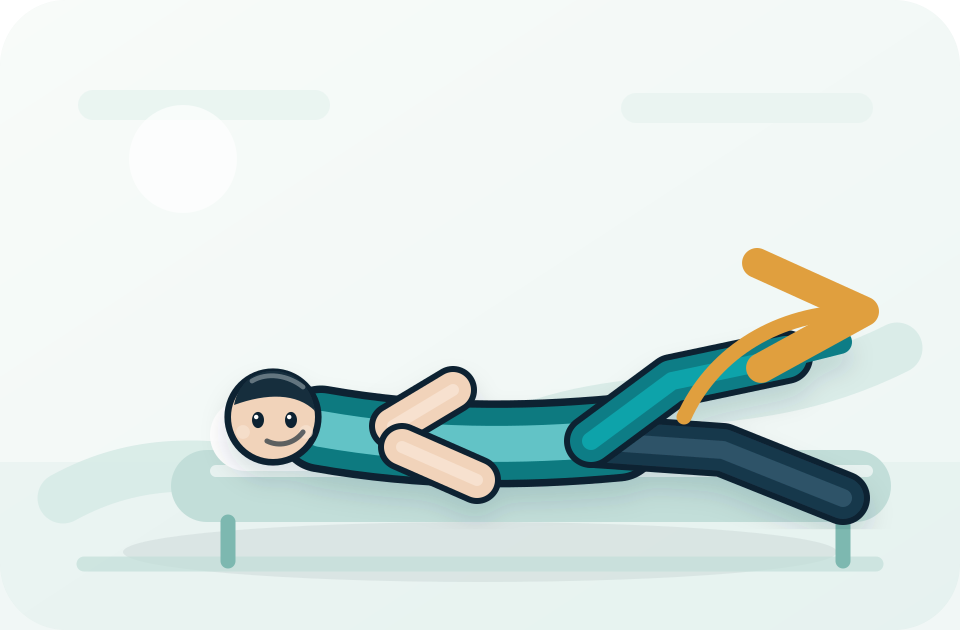
Mobility and stretching
Supported hip flexor stretch
teensadultslate ambulatory users
- Use a safe supported position such as side-lying or lying near the bed edge with help.
- Keep the pelvis steady and avoid arching the low back.
- Hold only a mild stretch at the front of the hip.
- Use this only when positioning is safe and the family can reproduce it without lumbar compensation.
- Consider standing, orthotic, or seating strategies if hip flexion contracture is progressing.
- Low-back pain
- hip pain
- unsafe bed-edge positioning
- breath-holding
Hip mobility supports standing, transfers, positioning, and comfort across progressive muscular dystrophy care.
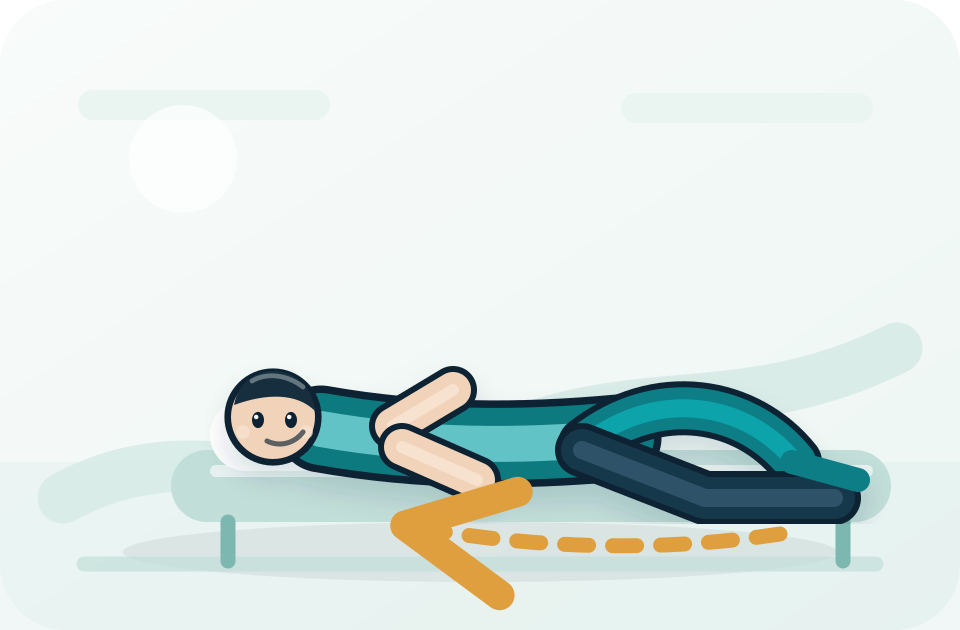
Mobility and stretching
Heel slides
childrenteensadultsseated users
- Lie on the back with the heel supported.
- Slide the heel toward the body, then slowly slide it away.
- Keep the movement smooth and below fatigue level.
- Use to maintain motion and assess symmetry, pain, or movement quality.
- Do not turn it into high-repetition strengthening if fatigue is prominent.
- Hip pain
- knee pain
- cramping
- increased fatigue
Gentle active-assisted range helps preserve movement options without high resistance or eccentric loading.
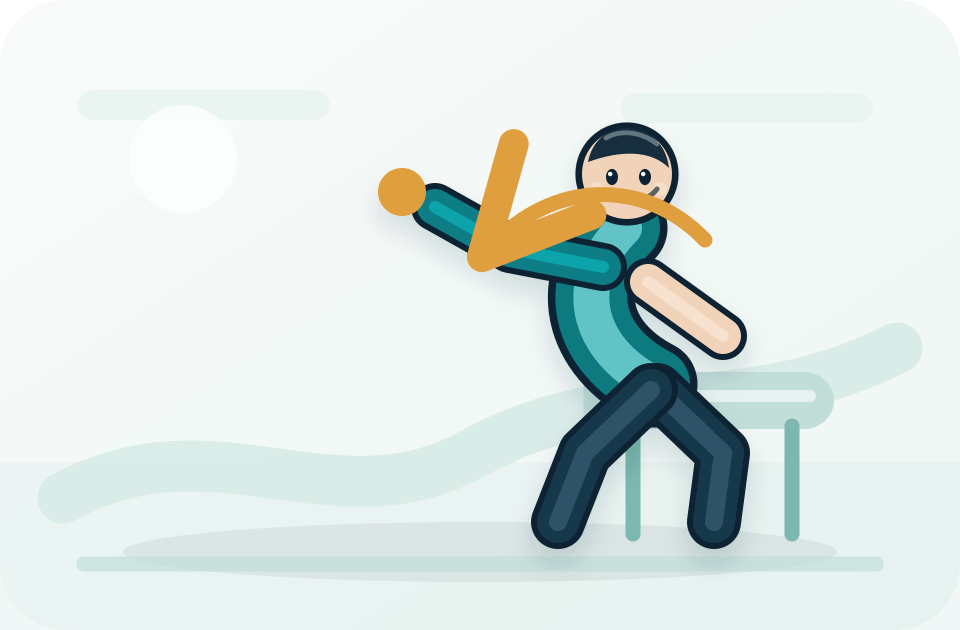
Mobility and stretching
Seated trunk rotation reach
childrenteensadultsseated users
- Sit with feet supported.
- Turn the upper body gently to reach toward a target at shoulder height.
- Return to the middle before reaching to the other side.
- Use guarding or trunk support if balance is limited.
- Avoid end-range twisting if scoliosis, pain, or respiratory compromise limits tolerance.
- Dizziness
- back pain
- loss of sitting balance
- breathlessness
Supported movement and functional reaching can preserve participation while limiting exertional load.
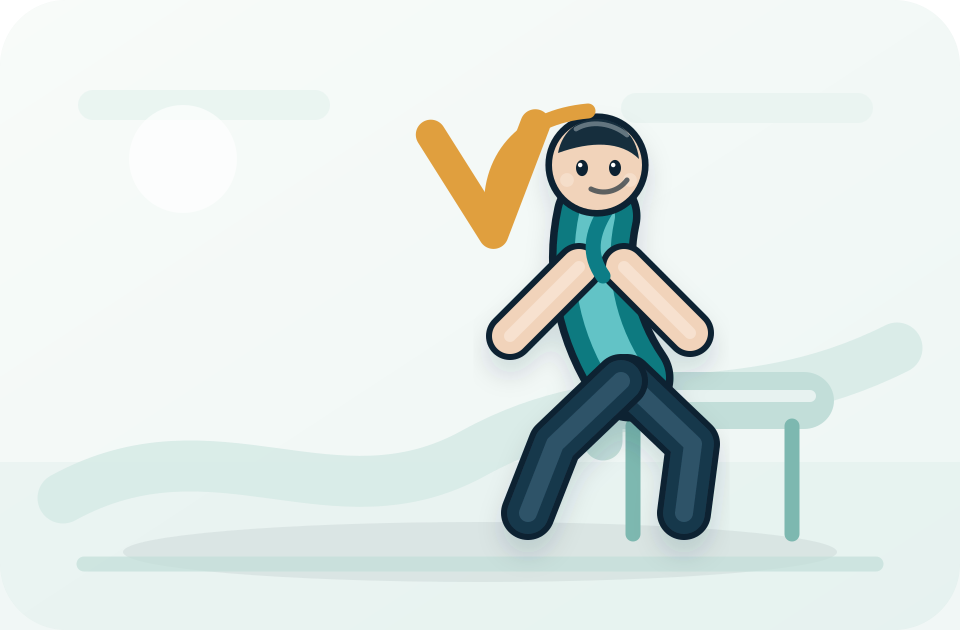
Mobility and stretching
Gentle neck range of motion
teensadultsseated users
- Sit supported and look slowly left and right.
- Add small nods and side bends only within comfort.
- Keep the movement slow and stop before dizziness or pain.
- Assess seating, head support, vision, and upper-back posture if symptoms recur.
- Avoid forceful manual stretching or rapid end-range movements.
- Dizziness
- headache
- radiating symptoms
- pain
Comfortable range work and positioning can reduce secondary stiffness without adding muscle overload.
Low-impact aerobic
Low-impact aerobic options
Low-impact aerobic
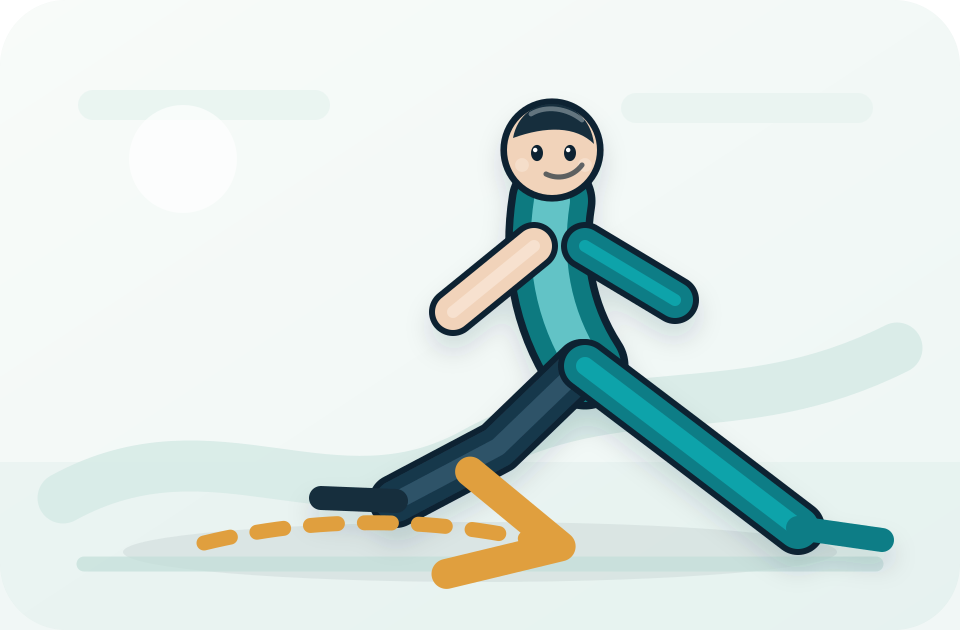
Supported walking intervals
childrenteensambulatory adults
- Choose a flat route with places to rest.
- Walk at conversation pace for a short interval.
- Stop before gait quality worsens and track recovery later that day and the next day.
- Use timed walk, gait quality, fatigue scale, falls history, and cardiopulmonary context to set intervals.
- Avoid using walking as conditioning when it repeatedly worsens falls risk or next-day function.
- Tripping
- hip drop worsening
- breathlessness
- chest symptoms
- next-day decline
FKRP childhood activity data did not show worse later outcomes from self-directed activity; broader guidance still favors submaximal aerobic activity.
Low-impact aerobic
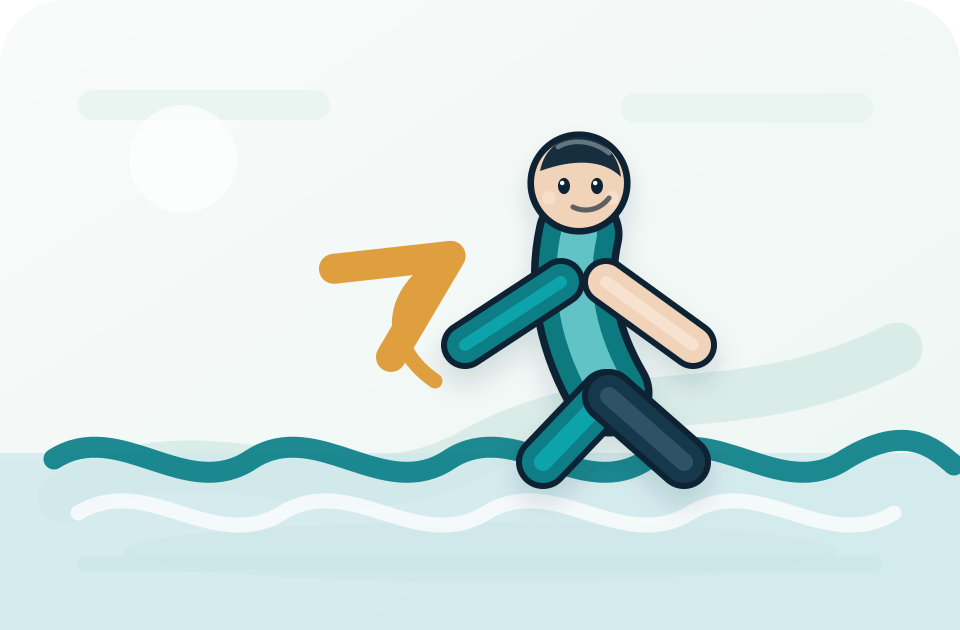
Aquatic walking or supported pool movement
childrenteensadultslate ambulatory users
- Use warm, accessible water with safe entry and exit.
- Walk, step, reach, or play at easy effort.
- Keep sessions short enough that dressing and leaving the pool are still safe.
- Plan energy cost of transfers, stairs, changing rooms, and temperature exposure.
- Do not use pool sessions when respiratory infection, unsafe swallowing, or poor access makes risk too high.
- Shivering
- breathlessness
- unsafe transfers
- exhaustion after leaving pool
Duchenne rehabilitation guidance highlights swimming as a low-impact submaximal activity; FKRP plans can adapt the principle cautiously.
Low-impact aerobic
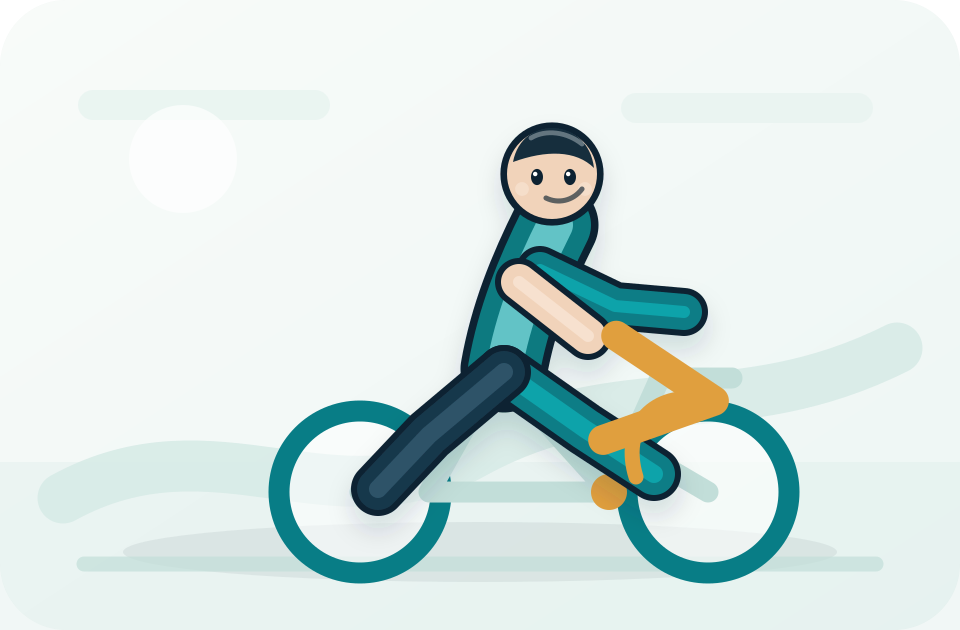
Recumbent or adapted cycling
teensadultslate ambulatory users
- Set the seat so knees do not lock or over-bend.
- Use very light resistance and a pace that allows talking.
- Stop before legs feel heavy or coordination changes.
- Check hip, knee, ankle range, seating, transfer safety, and cardiopulmonary status.
- Motor assistance may be preferable when active cycling causes fatigue.
- Knee pain
- hip pain
- breathlessness
- leg heaviness that persists
- unsafe transfers
Cycling is commonly recommended as submaximal aerobic activity in muscular dystrophy rehabilitation guidance.
Low-impact aerobic
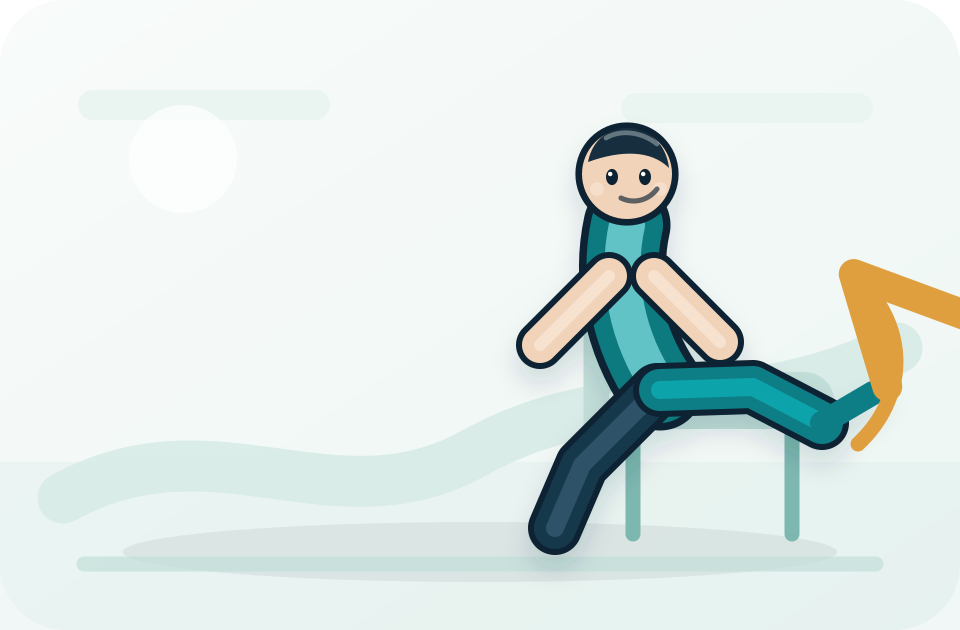
Seated marching intervals
childrenteensadultsseated users
- Sit with the back supported and feet flat.
- Lift one knee a small amount, lower it, then alternate sides.
- Use short intervals and keep breathing relaxed.
- Use low height and slow tempo if hip flexors are weak.
- Monitor trunk compensation, breath-holding, and post-session fatigue.
- Hip pain
- back arching
- breath-holding
- fatigue spillover
Seated low-load movement can support circulation, participation, and conditioning when standing work is not the best option.
Low-impact aerobic
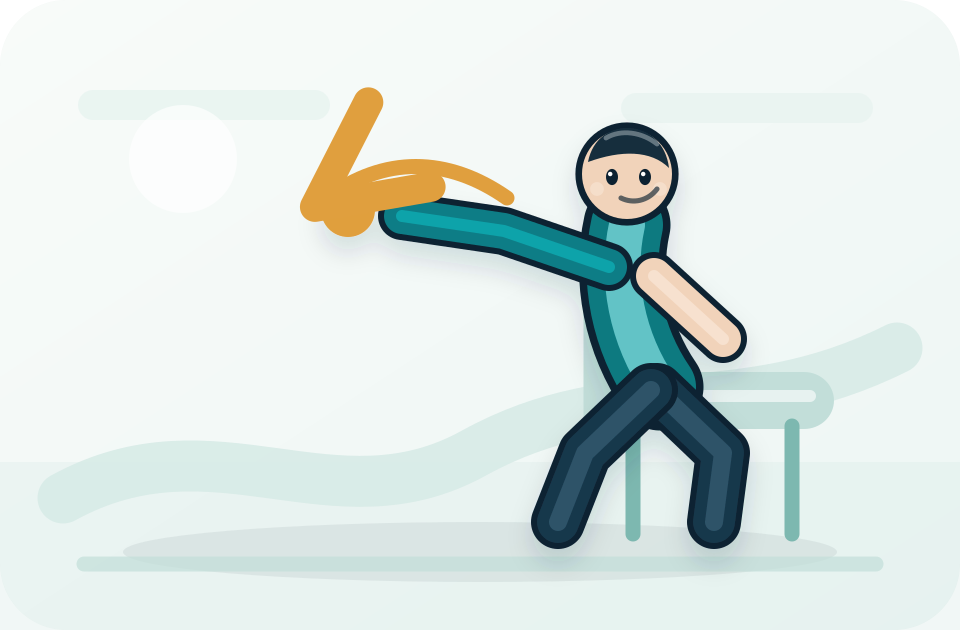
Seated reaching games
childrenteensseated users
- Place targets within comfortable reach.
- Reach, tap, sort, or move objects without holding breath.
- Keep targets low enough that shoulders do not pinch or tire quickly.
- Scale target height, distance, trunk support, and object weight.
- Use for functional reach and endurance rather than resisted shoulder strengthening.
- Shoulder pain
- loss of trunk control
- arm heaviness
- breathlessness
Participation-focused functional activity is consistent with neuromuscular rehabilitation goals across disease stages.
Functional strength
Functional strength options
Functional strength
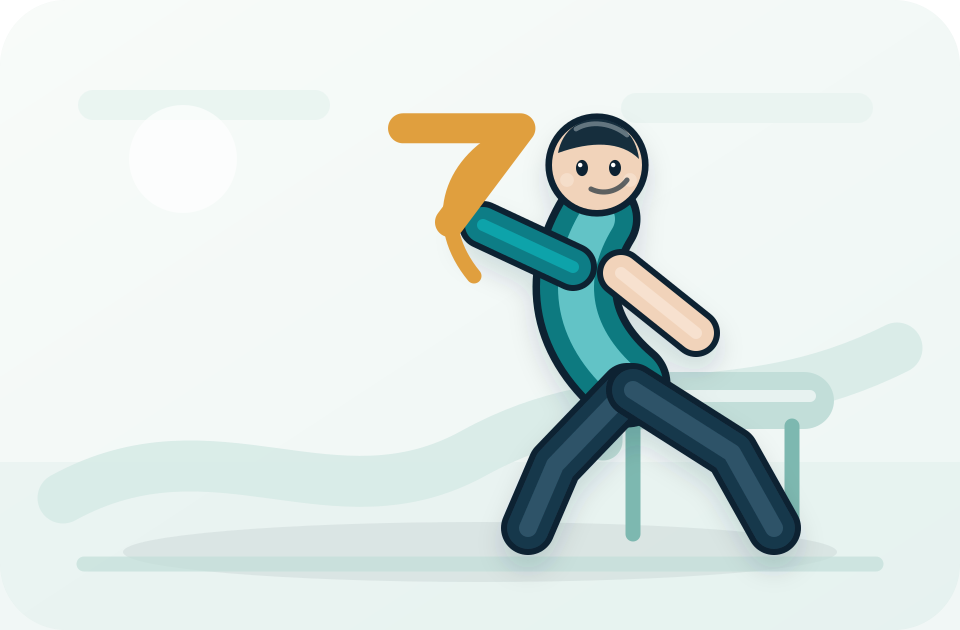
Raised sit-to-stand
childrenteensambulatory adults
- Use a higher surface than a normal chair if needed.
- Lean forward, stand with control, then sit down slowly but not excessively slowly.
- Stop while the movement still looks safe and smooth.
- Use surface height to manage load and avoid repeated failed efforts.
- Watch for Gowers-style compensation, knee collapse, breath-holding, and eccentric overload during descent.
- Knee buckling
- falls risk
- pain
- loss of movement quality
- next-day decline
Functional strengthening is most defensible when it is submaximal, task-specific, and monitored for recovery.
Functional strength
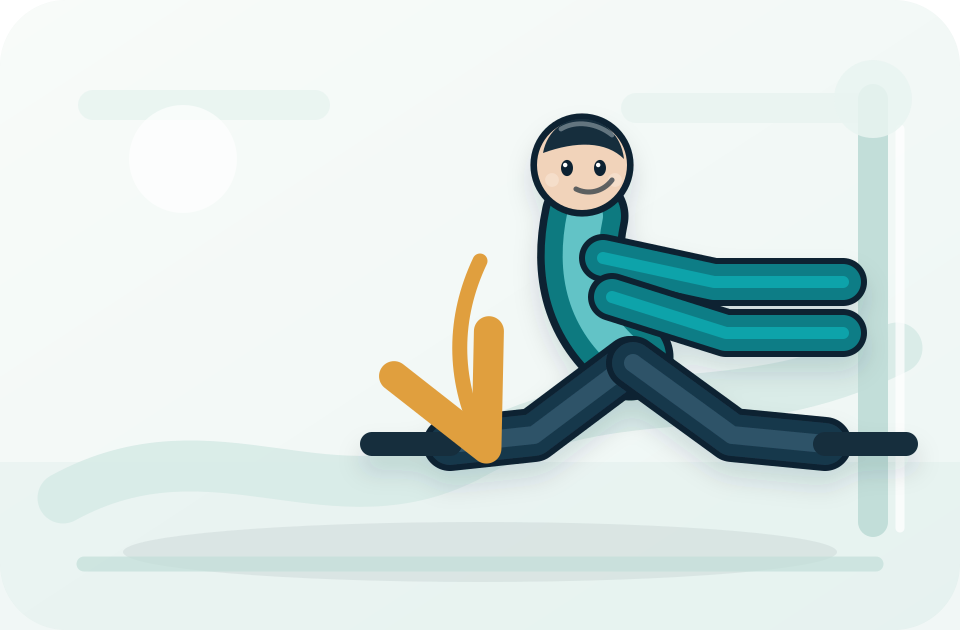
Supported mini squat
teensambulatory adults
- Hold a stable support.
- Bend knees only a small amount, then return to standing.
- Keep the movement small, slow, and easy enough to repeat with good form.
- Limit depth to avoid eccentric overload and knee collapse.
- Use only when cardiac, respiratory, balance, and recovery status support upright strengthening.
- Knee pain
- buckling
- breathlessness
- shaking that changes gait afterward
Small-dose supervised resistance work may help selected ambulatory adults, but evidence is limited and progression should be conservative.
Functional strength
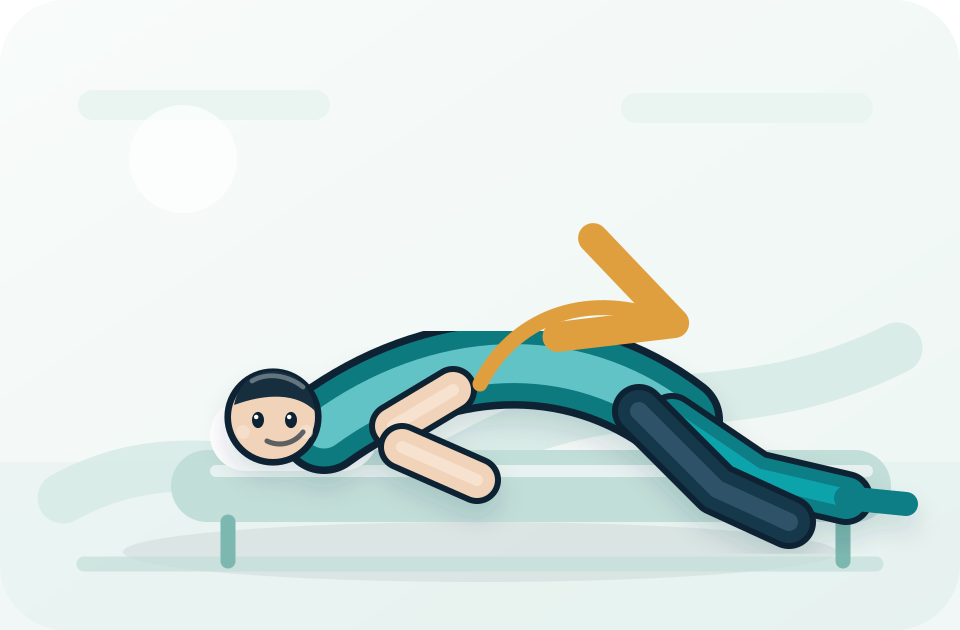
Supported bridge
teensadults
- Lie with knees bent and feet supported.
- Gently lift the hips a small distance, then lower with control.
- Keep breathing and avoid pushing into pain or cramping.
- Screen for orthopnea and lumbar compensation before using.
- Use partial range or assisted pelvic lifts when full bridge is too demanding.
- Breathlessness lying flat
- back pain
- hamstring cramps
- next-day fatigue
Low-dose functional strengthening may be appropriate for selected people when recovery and cardiopulmonary status are monitored.
Functional strength
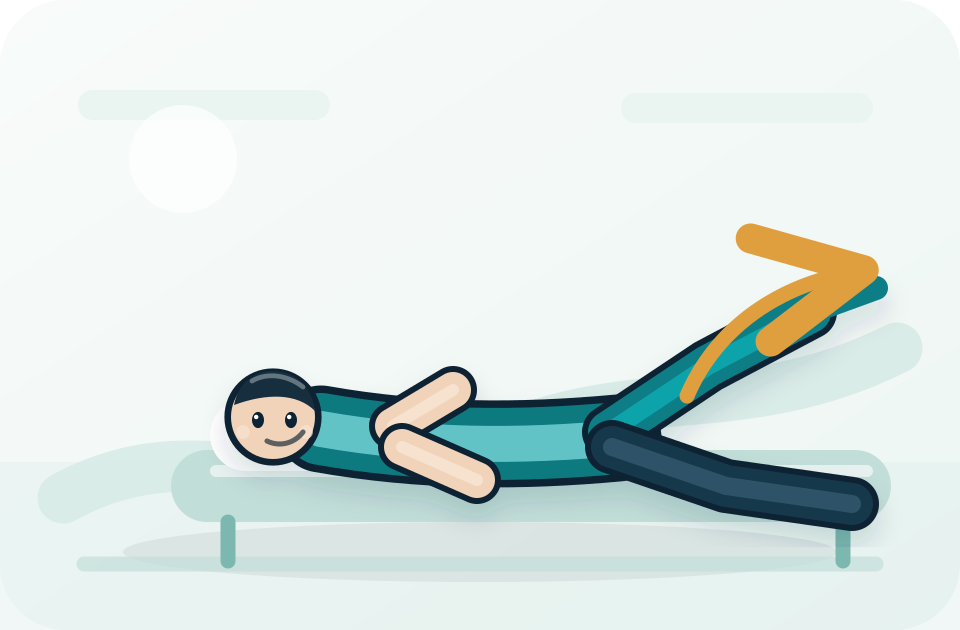
Side-lying hip abduction in small range
teensadults
- Lie on the side with the lower leg bent for support.
- Lift the top leg only a small distance, then lower gently.
- Keep the pelvis from rolling backward.
- Use very small ranges and no added weight unless specifically justified.
- Stop if compensatory trunk movement dominates the task.
- Hip pain
- back pain
- cramping
- loss of control
Small-range, low-load strengthening can target function while avoiding high resistance and excessive eccentric demand.
Functional strength
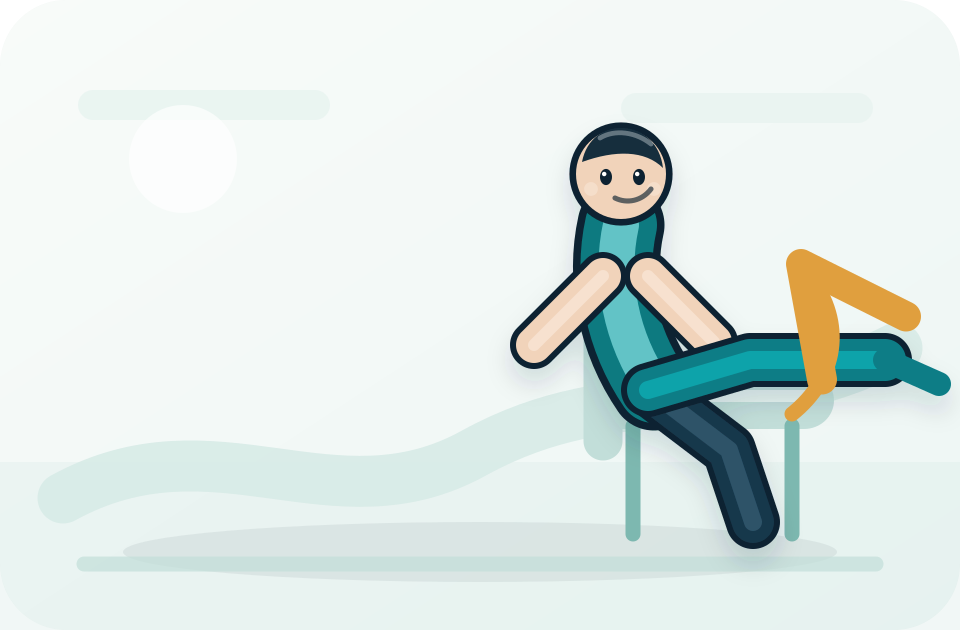
Seated knee extension
childrenteensadultsseated users
- Sit with back supported and feet on the floor.
- Slowly straighten one knee partway or fully if comfortable.
- Lower the foot back down without dropping it.
- Avoid ankle weights as a default; use range, tempo, and low repetitions first.
- Monitor for fatigue that affects transfers or walking afterward.
- Knee pain
- thigh cramping
- fatigue affecting transfers
Gentle active movement is safer than high-resistance strengthening when muscle fragility and fatigue are concerns.
Functional strength
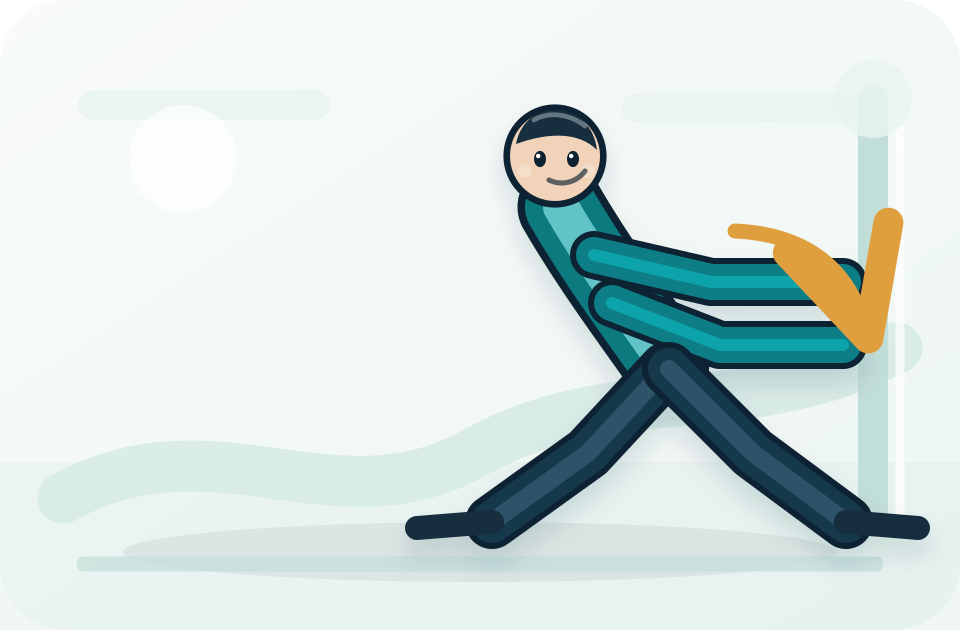
Wall push-up
teensadults
- Stand close to the wall with hands at chest height.
- Bend elbows slightly, then push back to the start.
- Keep the range small and stop before shoulder fatigue.
- Use counter height or seated wall press variations if standing is risky.
- Avoid if scapular winging, shoulder pain, or respiratory effort increases.
- Shoulder pain
- wrist pain
- breath-holding
- arm heaviness
Low-load functional upper-body work can preserve participation when intensity is conservative and symptoms are monitored.
Functional strength
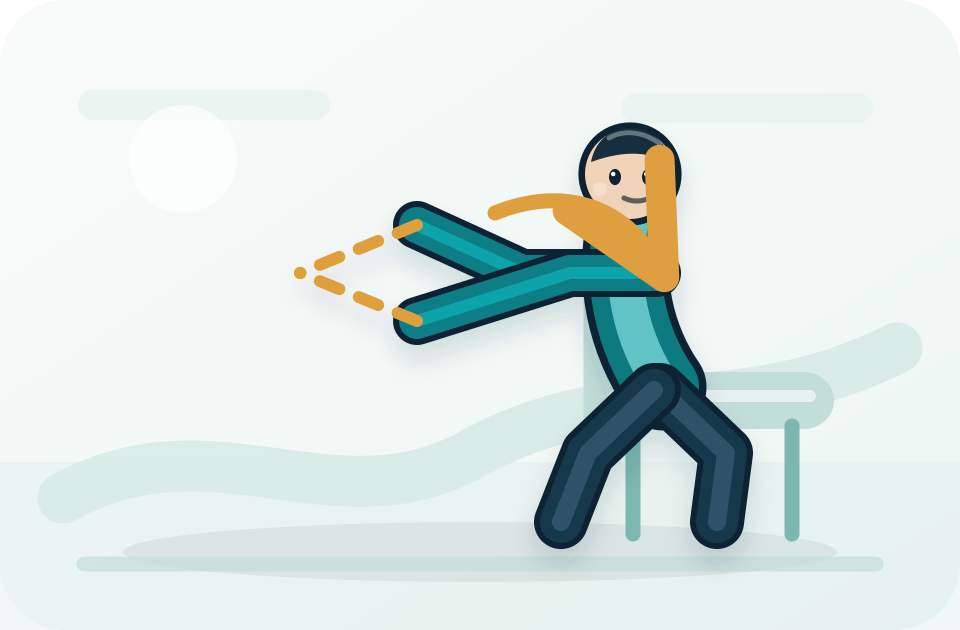
Light band row or towel row
teensadultsseated users
- Sit supported with elbows near the sides.
- Pull the band or towel gently toward the body.
- Release slowly without letting shoulders hike.
- Start with no band or minimal resistance if weakness is significant.
- Avoid high repetitions that create delayed arm heaviness or neck compensation.
- Neck pain
- shoulder pain
- arm heaviness
- loss of posture
Conservative resistance may be reasonable in selected people, but evidence supports caution and monitoring rather than aggressive strengthening.
Balance and transfers
Balance and transfers options
Balance and transfers
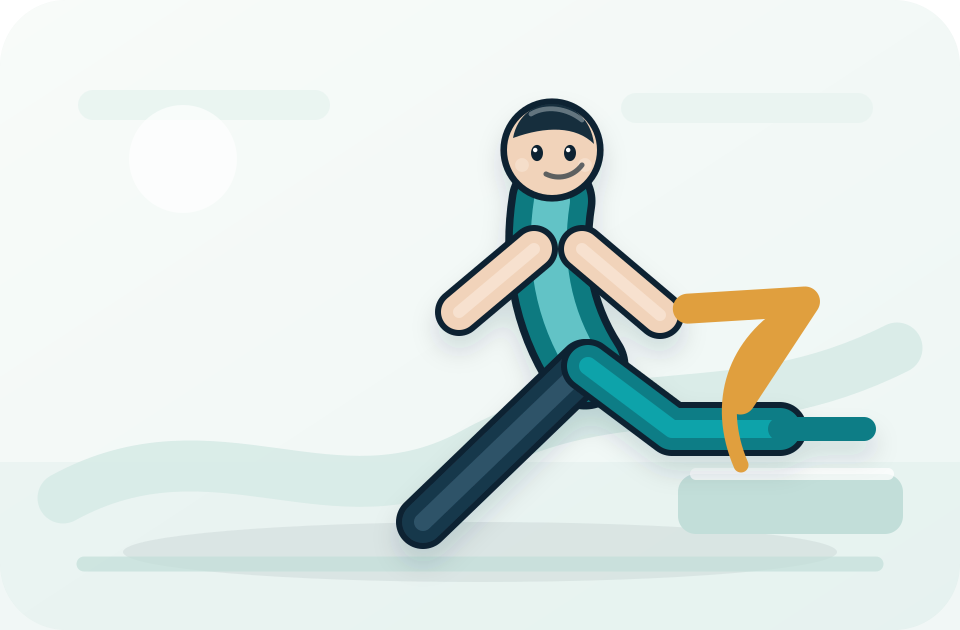
Low step taps
childrenteensambulatory adults
- Stand with hands on a stable support.
- Tap one foot onto a low step, then return it to the floor.
- Alternate sides only if balance and control remain steady.
- Choose taps before step-ups when weakness or falls risk is present.
- Progress height only if gait and recovery stay stable.
- Toe catching
- knee collapse
- hip drop worsening
- fear of falling
Task-specific practice can support function when load, height, and safety are tightly controlled.
Balance and transfers
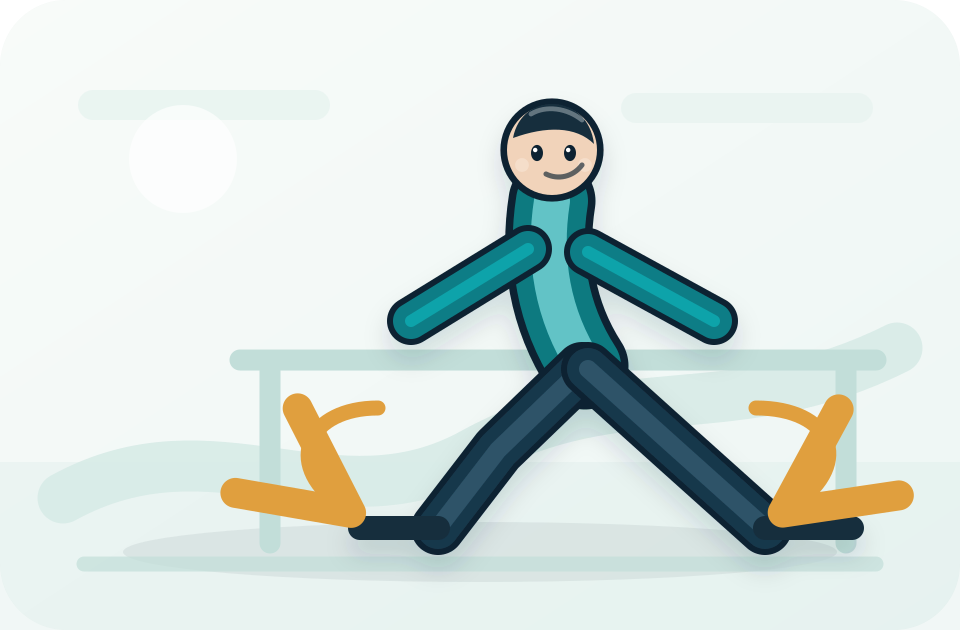
Supported weight shifts
childrenteensambulatory adultslate ambulatory users
- Stand with hands on a stable support.
- Shift weight gently side to side without lifting the feet.
- Keep the movement small and stop while posture is still steady.
- Use guarding, orthotics, and surface choice based on falls history.
- Do not progress to single-leg balance unless safety and strength clearly allow it.
- Fear of falling
- knee buckling
- toe catching
- fatigue that changes gait
Fall prevention and safe participation are central rehabilitation goals when progressive weakness affects mobility.
Balance and transfers
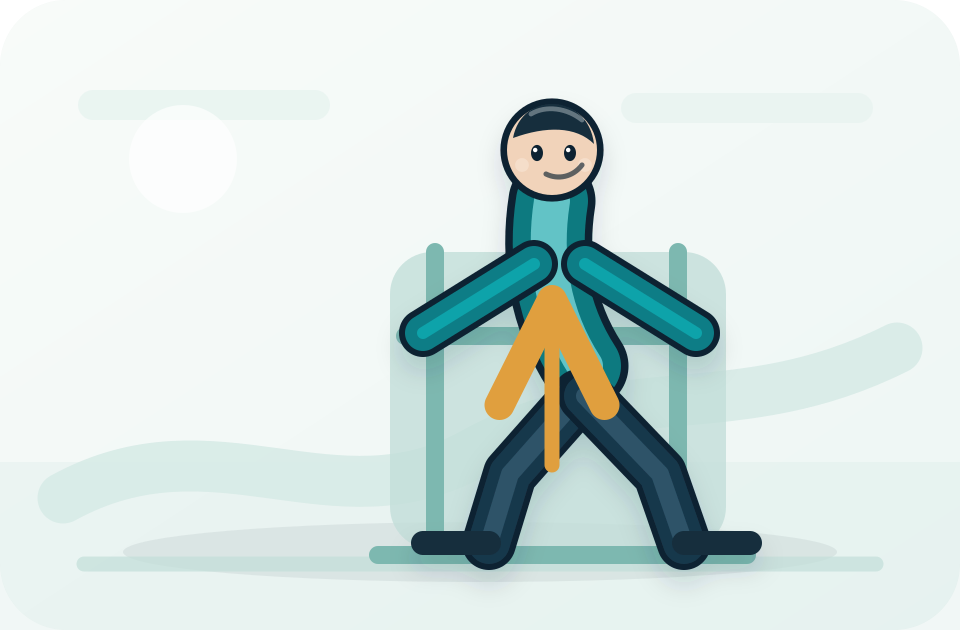
Assisted standing or standing-frame tolerance
late ambulatory usersnonambulatory usersteensadults
- Use only the prescribed device and setup.
- Check straps, foot position, comfort, skin, and breathing before starting.
- Begin with short tolerance sessions and stop before fatigue or discomfort builds.
- Requires individualized assessment of contracture, bone health, orthostatic tolerance, skin, pain, and respiratory status.
- Document tolerance, alignment, blood pressure symptoms, and post-session recovery.
- Dizziness
- pain
- skin redness
- breathlessness
- orthostatic symptoms
Muscular dystrophy rehabilitation guidance includes supported standing and positioning when alignment, tolerance, and contracture limits allow.
Respiratory and positioning
Respiratory and positioning options
Respiratory and positioning
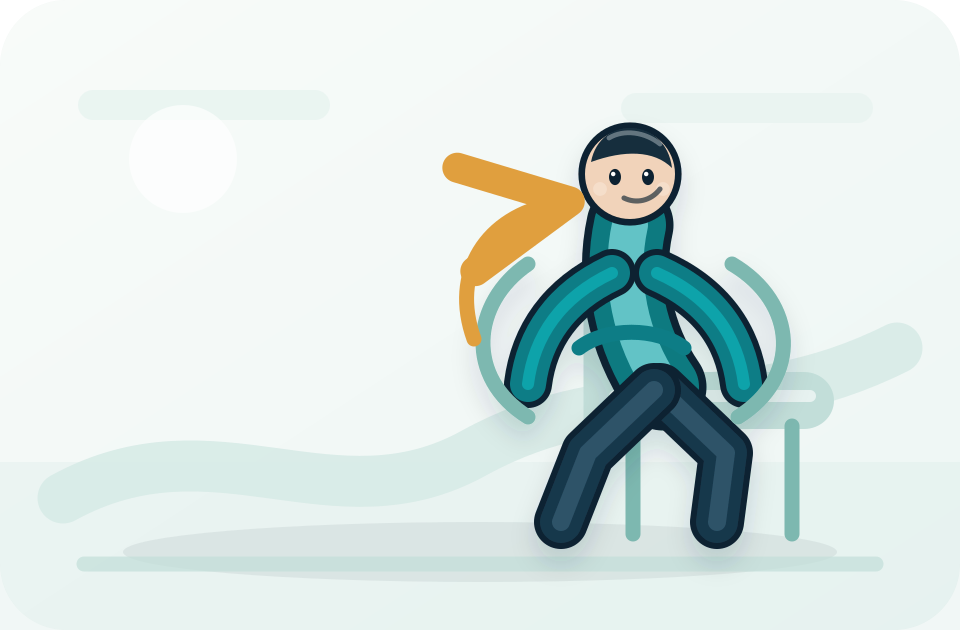
Supported breathing and posture reset
all agesrespiratory monitoringfatigue
- Sit or recline with the trunk supported and shoulders relaxed.
- Place one hand on the lower ribs or belly and breathe quietly without forcing a deep breath.
- Use 3 to 5 calm breaths before activity, after activity, or when recovering.
- Use this as a screen for symptom change, not as respiratory treatment by itself.
- Coordinate with pulmonary review if orthopnea, weak cough, morning headaches, or daytime sleepiness are present.
- Dizziness
- new breathlessness
- chest symptoms
- panic with breathing focus
Neuromuscular respiratory guidance supports early attention to breathing symptoms, positioning, cough effectiveness, and ventilation planning.
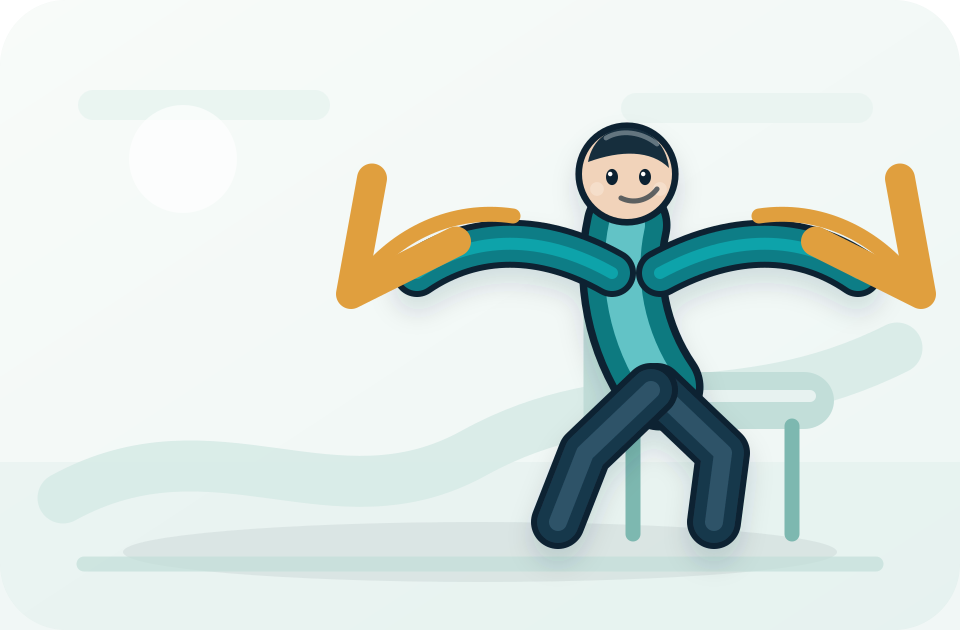
Respiratory and positioning
Supported chest opener
teensadultsseated users
- Recline over pillows or sit with a towel roll behind the upper back.
- Let the shoulders relax open without forcing the arms backward.
- Breathe comfortably and come out of the position slowly.
- Screen for orthopnea before prescribing reclined positions.
- Adapt around scoliosis, pain, ventilation interface, or shoulder restrictions.
- Orthopnea
- dizziness
- shoulder pain
- breathlessness
Posture, chest-wall mobility, and respiratory comfort are linked in neuromuscular rehabilitation planning.
Primary Sources
Reference trail for this exercise library
FKRP-specific cohort study supporting tolerated self-directed childhood activity without evidence of worse later motor or respiratory outcomes.
Cochrane review emphasizing low-certainty evidence and the need for cautious interpretation across muscle diseases.
Broader muscular dystrophy rehabilitation guidance on stretching, submaximal aerobic activity, energy conservation, and avoiding high-resistance or eccentric exercise.
Small adult study supporting cautious, supervised resistance work in selected ambulatory adults with muscular dystrophy.
Broader neuromuscular respiratory guidance for symptom escalation and coordination with pulmonary care.
Continue Reading
Use this library with the broader FKRP care context
Domain Guide
Physiotherapy
The parent guide explaining evidence limits, age/function matching, and safety boundaries.
Support Summary
Physiotherapy and pacing
Support summary connecting exercise plans with pacing, recovery, and multisystem monitoring.
Core Reference
Monitoring and Care
Connect exercise tolerance to cardiac, respiratory, and multidisciplinary surveillance.
Audience Path
For Physiotherapists
Audience guide for therapists who need the fastest FKRP orientation.